
So, your bike’s been gathering dust? It’s not just you. After a break, jumping back onto two wheels feels daunting. Remember the freedom you once felt pedaling down the road? It’s time to feel that again.
But where to start? Adjusting the seat? Brakes feel weird? And that hill…looks steeper than before.
You’re not alone in this. Many face these small battles when returning to cycling. Fear not. You’ll overcome them with some guidance.
Ready to rekindle your cycling passion? We’ve got tips to ease back into it safely. Stick around for advice that will get you pedaling with confidence again!
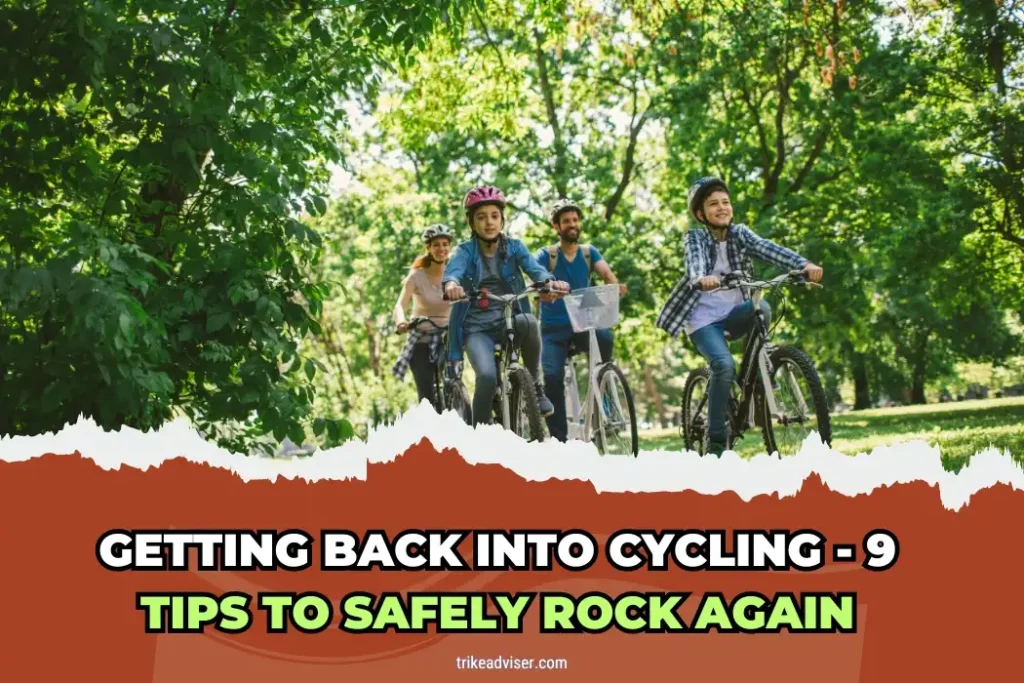
Getting Back into Cycling – 9 Tips to Safely Rock Again
Take It Easy
Just getting back on your bike? Start slow. Let your body adapt without pushing too hard. Focus on the joy of riding more than anything else. Initially, just pedal for the pleasure of it, not the burn.
Set Realistic Goals
What do you want to achieve? Set achievable targets. This keeps your motivation high and helps structure your plan. As your fitness returns, adjust your goals accordingly.
Gradually Increase Intensity
Don’t rush the process. Start by adding just five minutes to each ride. Ready for more? Incorporate interval sessions. These should involve moderate efforts to push your limits gradually.
Cross-Train
Cross-training boosts overall fitness and limits muscle strain. Add strength and flexibility workouts to your routine. This diversification not only enhances performance but also cuts down injury risks.
Stay Hydrated and Fueled
Never diet on the bike. Keep hydrated and eat right to maintain energy. Proper nutrition during rides is crucial for performance and recovery.
Invest in Safety Equipment
Safety first! Wear a helmet and reflective gear. Use lights and reflective tape on your bike. These are essential for visibility and protection.
Stretch and Recover
Allow your body time to heal between rides. Integrate rest days to let muscles recover. Also, consider getting a professional bike fit to optimize bike settings for your body.
Stay Safe on the Road
Awareness is key. Always wear protective gear and follow traffic laws. Stay vigilant for cars and hazards. A cycling safety course could be invaluable.
Seek Support
Finding it tough? Reach out for support. Family, friends, and even professionals can provide the encouragement and advice you need to stick with your cycling comeback.
Planning Your Cycling Comeback
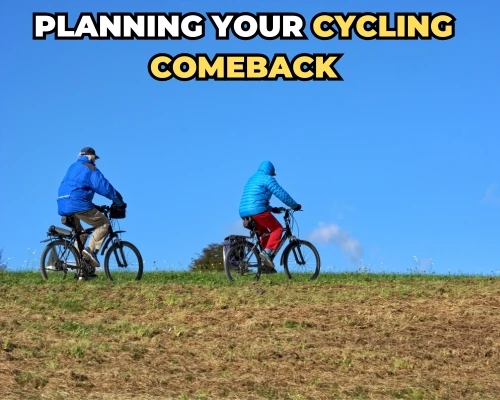
Embarking on a cycling comeback? Proper planning is crucial. Here’s how to shape your training and route choices to ensure a smooth and effective return to cycling.
Developing a Training Plan
Start with a Health Assessment
Before anything, assess your health. Check vital stats like heart rate and blood pressure. Knowing these can guide the intensity of your workouts.
Set Realistic Goals
What’s your target? Set clear, achievable goals. Whether it’s boosting fitness or gearing up for a race, your goals should shape your plan.
Create a Schedule
- Duration: Decide how long each ride should be.
- Intensity: Mix different intensity levels throughout the week.
- Variety: Include various types of workouts to cover all aspects of training. This structured approach helps balance your routine and tracks improvements.
Incorporate Rest and Recovery
Rest days are as vital as training days. They allow muscle recovery and prevent injuries. Make sure to schedule them regularly.
Monitor Your Progress
Keep a log of your workouts. Watching your progress can motivate you and highlight needed adjustments.
Choosing the Right Routes
Consider Your Fitness Level
- Beginners: Start with shorter, flatter routes.
- Advanced Riders: Gradually add longer and more challenging routes.
Plan for Safety
Safety is paramount. Choose routes with:
- Low traffic: Less interaction with vehicles.
- Good road conditions: Smooth, well-maintained paths.
- Bike lanes or trails: Always opt for routes designed for cyclists.
Consider Your Goals
Align your routes with your training goals. Training for hills? Pick hilly routes. Preparing for a race? Choose routes that mimic the race course.
Mix It Up
Variety is the spice of life—and cycling. Changing your routes can:
- Prevent boredom.
- Challenge different muscle groups.
- Enhance overall cycling skills.
Seek Support
Need route advice? Reach out to local cycling clubs or a coach. They can provide valuable insights tailored to your fitness level and goals.
Enhancing Cycling Skills

Revamping your cycling skills post-break requires focus on technique and adaptability. Here’s how to refine those skills and navigate varied conditions efficiently.
Refining Riding Techniques
Cycling isn’t just about pedaling; it’s about mastering control. Here are key techniques to focus on:
Cornering
- Vision: Always look through the turn to where you want to go.
- Balance: Shift your weight to the outside foot and inside arm.
- Bike Lean: Allow the bike to lean into the corner while keeping your body more upright. Mastering cornering helps maintain speed and conserve energy, making your rides smoother and faster.
Drafting
Staying close behind another rider can significantly reduce wind resistance. Here’s how:
- Position: Keep a close yet safe distance behind the lead rider.
- Alertness: Stay attentive to anticipate the lead rider’s actions. Drafting effectively can improve your endurance by saving energy during long rides.
Descending
Control is crucial when descending:
- Body Position: Lower your body closer to the bike for stability.
- Braking: Apply brakes smoothly to avoid locking the wheels. Learning to descend safely increases your confidence and speed on downhill segments.
Climbing
Efficient climbing conserves energy:
- Pacing: Start slow and maintain a steady pace.
- Gear Use: Utilize gears that allow a comfortable pedaling rhythm.
- Body Position: Lean forward to distribute weight and enhance pedal power. Improving your climbing technique ensures you conquer hills with less fatigue.
Navigating Traffic and Terrain
Riding safely in traffic and across various terrains requires awareness and strategy:
Staying Alert
- Awareness: Constantly monitor your surroundings for potential hazards.
- Predictability: Signal your turns and stops to inform other road users of your intentions.
Traffic Laws
- Compliance: Always adhere to local cycling laws to coexist safely with other vehicles.
- Visibility: Use lights and wear reflective clothing, especially in low-light conditions.
Adapting to Conditions
- Speed Adjustment: Modify your speed according to the road conditions.
- Route Planning: Choose routes with less traffic and better road surfaces when possible.
Practice in Diverse Conditions
- Weather Handling: Practice riding in wind and rain to build skills in adverse conditions.
- Terrain Variation: Ride on different surfaces like gravel, trails, and paved roads to become more versatile.
Exercises and Drills
Enhance your bike handling with specific exercises:
- Wheelies and Bunny Hops: Improve balance and obstacle navigation.
- Tight Circles and Rapid Braking: Enhance steering control and stopping response.
- Track Stands: Boost your ability to balance stationary for better control at lights and in traffic.
Health and Fitness Integration
Getting your diet and exercise right boosts your rides. It’s simpler than it sounds.
Balancing Diet and Exercise
Stay Hydrated
- Before Riding: Drink 16-24 ounces of water a few hours earlier.
- Right Before: Have another 8-12 ounces.
- While Riding: Keep sipping, 8-10 ounces every 15 minutes or so.
Balanced Diet Essentials
- Carbohydrates: They’re your fuel.
- Proteins: They fix and build your muscles after rides.
- Fats: Don’t shun them. They’re good for longer bouts on the bike.
Fueling Your Ride
- Pre-Ride: Carbs and proteins are your pre-ride buddies.
- Mid-Ride: About 30-60 grams of carbs each hour keeps you going.
- Post-Ride: Time to refill. Carbs and proteins again.
Incorporating Flexibility and Strength Training
Flexibility and strength do wonders for your cycling. Here’s how to add them:
Flexibility Helps
- Yoga: Not just trendy. It’s great for your rides.
- Dynamic Stretches: They prep your muscles to pedal.
Building Strength
- Bodyweight Routines: Think squats, lunges, push-ups. They shore up your strength.
- Resistance Bands: Good for those hard-to-reach muscles.
- Kettlebells: They’re not just for gym buffs. They build real power.
Core on the Floor
- Pilates: It’s all about the core. Stronger core, stronger cyclist.
Community and Social Engagement
Cycling can transform from a solitary activity into a vibrant social experience. Here’s how joining groups or involving your family can enrich your cycling life.
Joining Cycling Groups
Benefits of Cycling with Others
- Enhanced Experience: Ride together, share the journey.
- Skill Improvement: Learn tips and tricks from fellow cyclists.
- Motivation and Accountability: Group settings keep you consistent.
Finding a Group
- Online Platforms: Search on Meetup or Strava for local cycling groups.
- Local Bike Shops: Often, they know of active cycling clubs.
- Community Boards: Check out local community centers or libraries for postings.
Cycling groups offer more than just companionship; they can be a goldmine of support and knowledge, helping you push your limits.
Family Involvement in Cycling
Making It a Family Activity
- Start Simple: Choose short, easy routes everyone can enjoy.
- Safety First: Equip everyone with helmets and proper gear.
- Plan Together: Let every family member choose a route or plan a stop.
Encouraging Participation
- Scenic Routes: Pick beautiful paths to spark interest.
- Snacks and Breaks: Keep energy up and spirits high with regular stops.
- Games and Challenges: Add a fun twist with cycling games or friendly competitions.
Suitable Gear for All
- Right Fit for All Ages: Ensure each family member has the right bike size.
- Maintenance: Keep bikes in good condition to avoid mishaps.
As an Amazon Associate, I earn from qualifying purchases, at no additional cost to you. Read Our Affiliate Disclosure.