


So numerous riders swear that bike battery care is complex. It’s not. The web is brimming with myths:
‘You must continuously keep it on a tender!’ or ‘Never let it completely drain!’ But what’s the truth? To cut through the clamor, ask yourself a few basic questions:
Do I ride brief separations generally? This seems cruel your battery never completely charges. Do I store my bicycle for long periods? On the off chance that so, may this be influencing my battery’s life?
Understanding the reality behind these myths can spare you time, cash, and a part of pointless push. No more being stranded with a dead battery since you were taken after obsolete exhortation.
Debunking Myths About Motorcycle Battery Usage – Are They True?
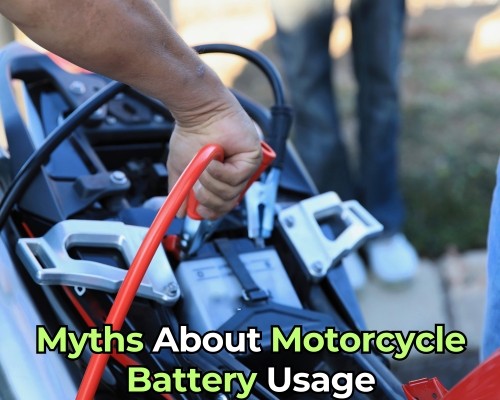
Myth 1: Not Using Your Bike Will Preserve Your Battery
Think parking your bike saves the battery? Think again. Leaving your motorcycle unused does more harm than good. The charging system, designed to work as you ride, doesn’t function when idle.
Accessories like the immobilizer and ECU draw power, even when off. Result? A dead battery if left unchecked for too long. Pro tip: Short, regular rides are better than none, keeping your battery in shape like a good workout does for you.
Myth 2: Motorcycle Batteries Don’t Need Any Maintenance
‘Maintenance-free’ is a bit misleading. Modern motorcycles come with batteries labeled as such, but they still require your attention.
Check and clean the terminals regularly to prevent energy loss and ensure longevity. Expert tip: A bit of petroleum jelly on the terminals can ward off corrosion.
Myth 3: Using the Kill Switch Will Damage Your Battery
No worries—kill switches are safe. There’s a myth that using the kill switch can harm your motorcycle’s battery or electrical system.
This is simply not true. The kill switch is a reliable way to stop your engine, just like using the ignition key. Remember: Using the kill switch is as safe as turning off your bike with the key.
Myth 4: Lithium Batteries Catch Fire Easily
Your bike’s battery is more secure than you might think. Despite the notoriety of lithium-ion batteries in contraptions, the ones in cruisers utilize a steady lithium-iron-phosphate blend.
They also come prepared with Battery Administration Frameworks to avoid overheating and potential fires. Security tip: Continuously select batteries from legitimate sources to guarantee quality and security.
Myth 5: Lithium Batteries Don’t Last as Long as Lead-Acid Batteries
Lithium can outlast lead acid significantly. Modern lithium batteries can handle up to 5,000 charge/discharge cycles, far surpassing the roughly 1,000 cycles of lead-acid batteries.
But quality varies, so cheaper lithium batteries without a proper BMS might not reach their potential. Buying tip: Spend a little more on a high-quality lithium battery with a BMS for better performance and fewer troubles.
Understanding Electric Motorcycle Batteries
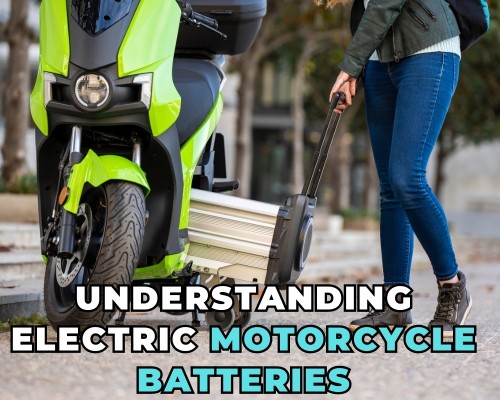
Electric motorcycle batteries are not just components; they are the lifeline of your ride. Like choosing the perfect pair of shoes for a marathon, picking the right battery shapes the journey.
Let’s unpack the intricacies, types, and transformative evolution of these power sources.
What Electric Motorcycle Batteries Work?
The Heartbeat of Your Bike
Electric motorcycle batteries function as the heart does in a body—pumping energy instead of blood. They store electrical energy that is transformed into the mechanical force that propels your bike forward. Think of it like this:
- Charging is like feeding: Just as you need food to function, your battery needs charging. Plugging into a charging station breathes life into your bike, with lithium batteries getting juiced up faster, much like a snack versus a full meal.
- Power management is the rhythm: Modern bikes come with systems that manage this power. They ensure the energy isn’t used up too quickly, much like pacing yourself in a race.
Types of Batteries Used in Electric Motorcycles
A Tale of Two Batteries
Choosing between lead-acid and lithium-ion is like deciding between an old reliable truck and a sports car:
- Lead-Acid Batteries:
- Old Faithful: They’re heavier and do not final as long, but they’re cheaper. It’s like buying work boots; not lovely, but they get the work done.
- Pros: Cost-effective, reliable.
- Cons: Heavier, shorter life, less efficient.
- Lithium-Ion Batteries:
- The High Performer: Lighter and more efficient, these are the running shoes of batteries. They might cost more upfront, but they last longer and perform better.
- Pros: Longer lifespan, lighter, higher efficiency.
- Cons: Higher initial cost but worth the investment for serious riders.
The Right Choice: Your choice depends on your priorities—cost, weight, performance. It’s like choosing between a budget airline and business class; both will get you there, but how do you want to travel?
The Evolution of Battery Technology in Motorcycles
From Lead Weights to Power Feathers
The journey of motorcycle batteries from bulky and inefficient to sleek and powerful mirrors the evolution of technology:
- The Early Days: Picture the first mobile phones—large and cumbersome. Early motorcycle batteries weren’t much different. They were heavy and didn’t hold much charge.
- Lithium-Ion Breakthrough: Then came lithium-ion, a revolution akin to smartphones. Smaller, lighter, and more powerful, these batteries changed the game. They made bikes quicker, lighter, and more fun to ride.
- Looking Ahead: The horizon promises batteries like solid-state that could charge in minutes and last even longer. Imagine charging your bike as quickly as grabbing a coffee.
Insights and Tips
- Regular Checks: Treat your battery like a beloved pet; check on it, and maintain it, and it will be loyal and last longer.
- Smart Charging: Use intelligent chargers that extend the life of your battery by adapting the charge to the battery condition.
- Stay Updated: Keep an eye on technological advances. Upgrading your battery could be like swapping a flip phone for the latest smartphone.
Optimal Battery Maintenance and Care
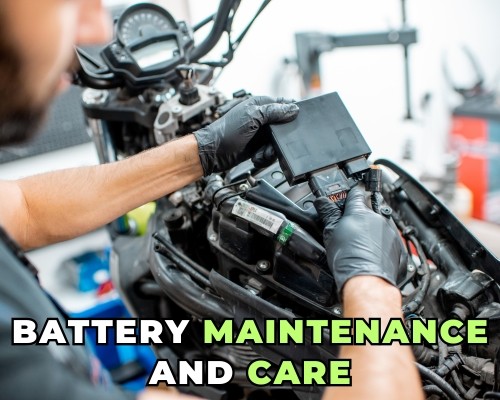
Keeping up your electric cruiser battery might appear direct, but it requires consideration of detail and a touch of artfulness.
Here’s a more profound plunge into supporting your battery, guaranteeing it remains sound and powers your rides proficiently for a long time.
Best Practices for Charging and Storing Motorcycle Batteries
The Art of Charging: Charging isn’t just a necessary task; it’s central to battery longevity. Here’s how to master it:
- Precision Matters: Always charge according to the manufacturer’s instructions. It’s like cooking a gourmet meal; the right temperature and time are crucial.
- Temperature Watch: Extreme temperatures can be the enemy of battery health. Think of your battery as a pet; you wouldn’t take off it in a car on a hot day or exterior on a solidifying night. The perfect capacity temperature is ordinarily between 50°F and 77°F (10°C to 25°C).
Strategic Storage: Long-term storage requires strategy, not just an afterthought:
- Ideal Charge Level: Store your battery at a 50% charge level in case you won’t be utilizing it for a whereas. This can be associated to putting your vehicle in ‘park’; it guarantees things do not run when they shouldn’t.
- Check-In Periodically: Even in storage, batteries need a check-up. Periodically top up the charge to maintain optimal health, much like watering plants even when they aren’t growing.
How to Extend the Life of Your Motorcycle Battery
Routine Upkeep for Longevity: Just as with any valued possession, regular care can extend your battery’s life significantly:
- Regular Monitoring: Use a voltmeter or battery management system to keep tabs on the battery’s health. Think of it as a regular health check-up—you catch issues before they become serious.
- Gentle Cycles: Avoid completely depleting the battery. Frequent full discharges can stress the battery, similar to how constantly running a car on an empty tank can wear out the engine.
Common Mistakes in Battery Maintenance and How to Avoid Them
Navigating Pitfalls: Even seasoned riders can make simple mistakes that compromise battery health:
- Overcharging: Just as overeating can be harmful, so can overcharging your battery. It can lead to heat buildup and shorten battery life.
Using a smart charger can prevent this by automatically cutting off the power once full charge is achieved.
- Neglecting the Basics: It’s easy to overlook basic care like keeping the battery clean and dry. Corrosion at the terminals can prevent efficient energy transfer, much like rust on a bike chain can hinder performance.
- Exposure to Elements: Keeping a battery in harsh conditions can degrade its performance quicker than you’d expect. If temperatures in your garage can soar or plummet, consider a climate-controlled space.
Stay Proactive: Regularly update yourself with the latest battery care techniques and technologies. The battery sector is evolving rapidly, and staying informed is like keeping your GPS updated; it ensures you always have the best route available.
Extending the Life of Your Motorcycle Battery
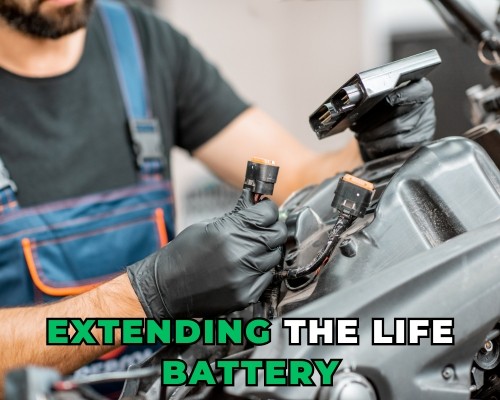
Making your motorcycle battery last is not just about following steps; it’s an art that ensures your ride is always ready to roll. Here’s how you can master this art through detailed care and expert tips.
Use the Correct Battery
Tailoring to Your Bike’s Needs
- Exact Fit: Fair as you wouldn’t wear shoes that do not fit, do not settle for a battery that doesn’t coordinate.
Guarantee the battery sort (AGM, lithium-ion, etc.), voltage, and measure adjustment along with your motorcycle’s prerequisites.
- Expert Tip: Always double-check battery specifications against your bike’s manual. Think of it as checking the weather before a long ride; it ensures you’re prepared for what’s ahead.
Keep the Battery Charged
Optimal Charging for Longer Life
- Stay Active: Frequent rides aren’t just good for your soul; they keep the battery healthily charged. Imagine it as keeping your muscles in shape by regularly hitting the gym.
- Smart Charging: Utilize a shrewd stream charger for those torpid periods. It’s like having a great companion who knows precisely when to give you a small push without being overpowering.
Regular Maintenance
Keeping Things Tight and Tidy
- Terminal Attention: Regularly check and clean the battery terminals. Corrosion is like rust on your bike chain; left unchecked, it worsens. Use a mixture of baking soda and water to clean off any corrosion, gently scrubbing with a toothbrush.
- Maintain Fluid Levels: On the off chance that your battery is the sort that requires water (like a overflowed battery), keep it topped up to fair the correct level—not as well full, not as well purged, comparative to keeping up legitimate tire weight.
- Temperature Regulation
Avoid Extreme Weather
- Climate-Controlled Storage: Store your motorcycle in a place that mimics spring weather all year round. Extreme heat degrades batteries as surely as harsh winters can freeze the zest out of them.
- Insulation Tricks: Consider insulating your battery in severe temperatures. It’s like putting a thermal blanket around it during a frosty night.
Use a Maintenance Schedule
Systematic Care for Systematic Success
- Scheduled Check-Ups: Adhere to a regular schedule for battery maintenance just as you would for oil changes. This systematic approach ensures no aspect of battery care is overlooked.
- Professional Advice: Occasionally, let a professional take a look. They might spot issues that are not obvious to the untrained eye, much like a doctor spots health issues before symptoms emerge.
Avoid Overcharging
Balanced Charging Is Key
- Quality Chargers: Invest in a charger that knows when to stop. Overcharging a battery is like overeating; it feels good at the moment but causes problems later.
- Monitoring Is Crucial: Keep an eye on the charging process. Just as you wouldn’t leave a pot boiling without checking, don’t leave your battery charging unattended for long periods.
Monitor Battery Health
Watch for Warning Signs
- Early Detection: Be alert to signs of battery fatigue, such as slower starts or dimmer lights. Early detection can save your battery, much like catching a cold early can prevent worse illnesses.
- Regular Testing: Periodic testing of battery health isn’t just meticulous; it’s essential. Use a voltmeter or a battery tester to keep tabs on its status, ensuring that it’s always in peak condition, ready for any adventure.
As an Amazon Associate, I earn from qualifying purchases, at no additional cost to you. Read Our Affiliate Disclosure.