
So, you’re eager to hit the trails, right? First up, choosing a bike feels overwhelming. Hardtail or full suspension? What about tire size? Trust me, we’ve all been there.
Your first ride shouldn’t be a tech fest. It’s more about feeling the wind and less about the specs. Wondering if mountain biking is too tough? Or maybe too risky? These thoughts can make anyone nervous.
Here’s the secret—everyone starts somewhere. And yes, it’s normal to feel like you’re just trying to keep up. But with the right guidance, you’ll be zipping through those trails.
Think about it. Is the call of the wild too strong to ignore? If yes, then it’s time to gear up and learn as you go.
Mountain Biking for Beginners – 6 Steps to Start
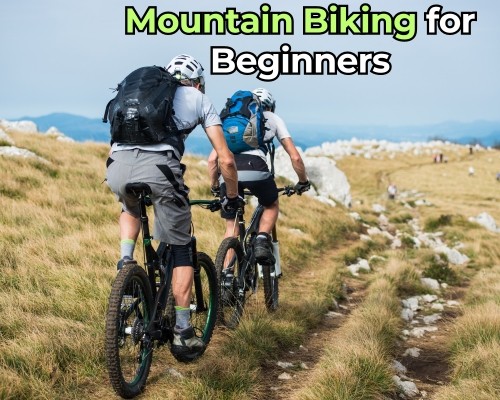
Getting Started
Mountain biking, right? Picture this: your first trail, your pulse racing. Choosing the right bike is crucial. A hardtail mountain bike is great for novices—less maintenance, more control.
But here’s a fact: 85% of beginners feel more confident on a full-suspension bike as they progress. It handles the bumps better, making rough trails feel smoother.
Gear Up Properly
Gearing up is not just about safety; it’s about comfort. You need a helmet that fits well, gloves that grip, and padded shorts that cushion. Shoes? Non-negotiable.
They must have stellar traction. And those knee and elbow pads? They’re not just pads; they’re your armor. Statistics show that proper gear reduces the risk of serious injuries by up to 40%.
Find Your Trail
Finding the right trail is like matchmaking. You want a trail that suits your skill level. Start with trails marked “easy.” These are usually wide, with gentle slopes—perfect for building confidence.
Local bike shops are treasure troves of info, often offering the most updated, reliable advice. They can pinpoint the trails that are beginner-friendly and offer scenic views to make your ride memorable.
Master the Basics
Mastering the basics can be a game changer. Focus on your form, your braking technique, and how you handle turns.
Did you know? Proper braking technique can reduce your stopping distance by up to 30%. Start slow, feel the bike, and gradually push your limits. Remember, every pro biker was a beginner once.
Enhance Your Skills
Enhancing your skills is thrilling. A lesson or a clinic isn’t just learning; it’s an investment in your biking future.
Riding with those who are better than you isn’t just following; it’s observing, learning, and adapting. Each new trail brings a new challenge, and with it, a chance to become a more versatile rider.
Diversity in trail experience is key—88% of bikers who diversify their trail experience show faster improvement in skills.
Apps and Advice
In this digital age, trail-finding apps like MTB Project or Trailforks are your guides. They don’t just show trails; they rate them by difficulty, offer reviews, and even provide elevation profiles.
And that local bike shop? It’s a hub of communal knowledge. Starting close to home not only simplifies logistics but also builds your foundational skills in a familiar environment.
Choosing Your First Mountain Bike – What You Need to Know
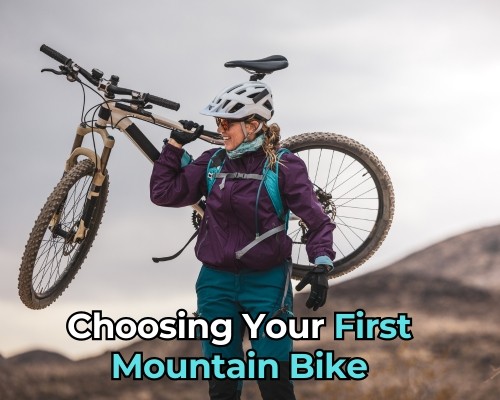
Picking your first mountain bike can feel like a leap into the unknown, right? Like the first time you try a new trail—exciting, but a bit daunting. Let’s pack your adventure kit with the right gear—the perfect bike.
Differences Between Hardtail and Full-Suspension Bikes
Hardtail
- No Rear Suspension: Imagine this: your bike is a direct extension of your will on the trail. Hardtails offer a pure connection—every pedal stroke directly boosts your speed, especially uphill.
- Lighter Weight: They say every ounce counts, and with hardtails, you really feel it. Lighter means quicker maneuvers and less fatigue over long rides.
- Simpler Maintenance: Think of it like a classic car—less wiring, fewer gadgets, easier to fix. That’s your hardtail, straightforward and dependable.
- Great for Beginners: It teaches you the trail’s truth—every rock and root trains your reflexes, making you a smarter, sharper rider.
Full-Suspension
- Front and Rear Suspension: Here’s where comfort meets capability. The shocks soak up the bumps, so your body doesn’t have to. It’s about enjoying the ride longer with less beat-up at the end.
- Increased Stability: Stability means confidence. On a full-suspension bike, you can hit those descents faster and tackle obstacles you’d walk with a hardtail.
- More Expensive: Yes, they cost more. But think of it as paying for less post-ride pain and more trail options.
- More Maintenance: More features, more upkeep. But keeping your bike in top shape means it always rides ready.
Factors to Consider
Budget
- Entry-Level: $1,000 – AUD 2,500. A reliable hardtail is within this range, great for newbies and light trails. Or, dip your toes into full-suspension without breaking the bank.
- Mid-Range: Have $2,500 – AUD 5,000 to play with? Here, you start seeing premium hardtails or full-suspensions that can take a beating with a smile.
- High-End: With $5,000 – AUD 10,000, expect luxuries like dropper posts, high-end suspension, and maybe even a carbon frame to lighten your load.
- Top End: Over AUD 10,000? You’re looking at the bike equivalent of a sports car. Custom everything, top-of-the-line performance, and envy on every trail.
Terrain and Riding Goals
- Smooth Trails: Hardtails are kings of efficiency here. They make your efforts count, ideal for those starting their trail romance.
- Technical Trails: Go full-suspension for the gnarly stuff. It forgives when the trail bites, letting you push your limits with a safety net.
- Beginner-Friendly: Both have their merits. Hardtails hone your handling skills, while full-suspensions let you taste more trail variety without as many bruises.
Riding Style
- Cross-Country: Hardtails rule with efficiency and speed—great for racers or those who love beating sunrise.
- Downhill: Full-suspension shines here. Downhill demands cushion and control, and these bikes deliver both, letting you focus on the thrill, not the spills.
When choosing your first mountain bike, think about where you want to go and what tales you want to tell. Each bike offers a different journey.
Just like when I thought I’d packed light for a trip and ended up breaking the scale—sometimes what you expect isn’t what you get.
But with the right bike, every ride is about learning, growing, and enjoying the path, wherever it takes you.
Essential Gear for Mountain Biking Beginners
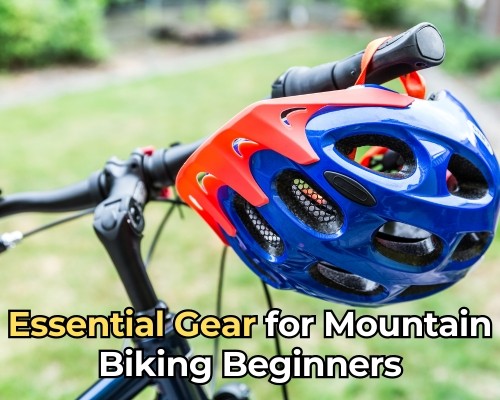
Beginning your mountain biking travel is like planning for a exciting expedition—you require the correct equip to guarantee security, consolation, and a great dosage of fun. Here’s a nitty gritty direct on what to pack for your experiences on the trails.
Must-Have Safety Gear
Helmet
- Vital for Protection: A helmet isn’t just a suggestion; it’s essential. Look for one that meets safety standards like ASTM or CPSC. A good fit means it doesn’t wobble, sitting snugly on your head.
- Coverage and Comfort: Ensure it covers your forehead and back of the head properly. More coverage means better protection.
Gloves
- Shield Your Hands: Gloves protect against scrapes and improve your grip on the handlebars. Sweaty palms or rough trails, gloves keep your hands in control.
- Choose Wisely: Opt for gloves with padding for comfort and made from breathable material to keep your hands cool.
Pads
- Prevent Injuries: Knee and elbow pads are your armor against the unexpected. Falls happen, and these pads can be the difference between a minor scrape and a trip to the hospital.
- Comfort and Mobility: Look for lightweight and breathable pads that don’t restrict your movement.
Additional Accessories for Comfort and Efficiency
Cycling Shorts
- Combat Chafing: Cushioned cycling shorts with a chamois are significant for long rides. They offer assistance avoid rubbing and inconvenience, letting you center on the ride, not the torment.
- Fit and Fabric: Guarantee they fit well; as well tight can confine development, and as well free may lead to extra contact.
Hydration Pack
- Remain Hydrated: A hydration pack or a durable water bottle cage on your bicycle guarantees you have got water accessible at all times. Drying out may be a genuine danger on long rides.
- Capacity and Availability: Select a pack that can carry sufficient water for your ride and is simple to get to without ceasing.
Bike Tools and Repair Kit
- Be Prepared: A basic tool kit should include at least a spare tube, tire levers, a multi-tool, and a mini pump. Flat tires or loose components can happen, and being able to fix them on the trail means you’re not stuck walking back.
- Portable and Lightweight: Your kit should be compact enough to carry without weighing you down.
Bike Lights
- Light the Way: If you plan to ride during dusk or dawn, good quality front and rear lights are non-negotiable. They ensure you see the trail and are seen by others.
- Brightness and Battery: Look for lights with adjustable settings and sufficient brightness to illuminate your path. Rechargeable batteries are a plus.
Bike Computer or GPS
- Track Your Progress: A bike computer or GPS helps you monitor speed, distance, and route. It’s not just about numbers; it’s about seeing your improvement and navigating unfamiliar trails.
- Features to Consider: Some units offer navigation aids, heart rate monitoring, and connectivity to your phone for live tracking.
Bike Rack or Carrier
- Transport Made Easy: If the trailhead isn’t within riding distance, a reliable bike rack or carrier for your vehicle is essential. It’s about convenience and protecting your bike during transit.
- Compatibility and Security: Ensure the rack fits your car and bike type and offers secure attachment, so you arrive ready to ride.
Prepared with the correct adapt, each mountain biking apprentice can turn starting fear into triumphant tales of path successes.
Keep in mind, the correct adapt not as it were including to your consolation but moreover improves your by and large riding involvement, keeping you secure and letting you thrust assist with certainty.
Finding the Right Trails – A Guide for New Riders
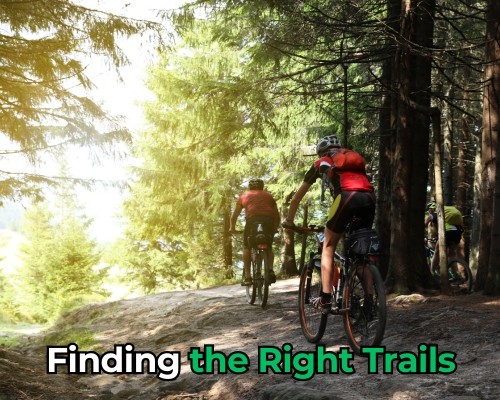
Setting out on mountain biking is like setting off on a incredible adventure—you require the proper way to create your travel a victory. Here’s how to discover trails that fit your fledgling status and assist you develop into a certain rider.
How to Find Trails Suitable for Beginners
Use Trail Databases and Apps
- Digital Guides: Harness the power of apps like MTB Project, Trailforks, and AllTrails. These platforms offer a wealth of information, including detailed maps, difficulty ratings, and user reviews that help you pick trails suited to your skill level.
- Filter for Ease: Specifically look for trails labeled “easy” or “beginner.” These usually have fewer technical features and a manageable gradient, perfect for starting out.
Consult Your Local Bike Shop
- Local Wisdom: The staff at your local bike shop are often avid riders themselves and can provide insider tips on the best beginner trails.
- Community Connections: Bike shops often host rides or have bulletin boards with current trail information and conditions, making them a great resource for up-to-date advice.
Start Close to Home
- Accessibility: Choose trails close to home for your first few rides. This reduces travel stress and makes it easier to get familiar with a few trails repeatedly, which is great for practice.
- Familiarity Breeds Confidence: Riding local trails allows you to become comfortable in a familiar environment, easing the learning curve.
Importance of Starting with Easy Trails and Progressing Gradually
Build Fundamental Skills
- Skill Development: Easy trails allow you to focus on mastering basic techniques such as braking, shifting, and proper body positioning without the added pressure of complex terrain.
- Practice Makes Perfect: With simpler trails, you can repeat sections until you feel confident with your skills, building a strong foundation for more challenging rides.
Boost Confidence
- Confidence Building: Success on gentle, easy trails builds your confidence. Each ride without a fall or fear adds to your belief in your abilities, preparing you for more difficult trails.
- Positive Reinforcement: Achieving small victories like navigating a new obstacle or completing a trail without stopping reinforces your desire to ride and improves your skills.
Avoid Injury
- Safety First: Starting with easier trails matches your skill level to the trail’s challenges, reducing the risk of accidents.
- Gradual Progression: As your skills improve, gradually increasing the trail difficulty helps your body adapt to more demanding physical challenges without overwhelming you.
Enjoy the Experience
- Fun and Enjoyment: Mountain biking should be fun! Riding trails that match your current abilities allows you to enjoy the scenery and the experience without undue stress.
- Natural Progress: As you grow more comfortable and capable, you’ll naturally seek out trails that offer more excitement and challenge, keeping the sport fresh and engaging.
Choosing the proper trail is like choosing the proper trouble level in a game—it ought to be challenging sufficient to be engaging, but not so difficult that it gets to be debilitating.
With the proper trails, you’ll discover yourself falling in cherish with mountain biking, energetic to investigate advance and thrust your limits as your aptitudes advance.
As an Amazon Associate, I earn from qualifying purchases, at no additional cost to you. Read Our Affiliate Disclosure.