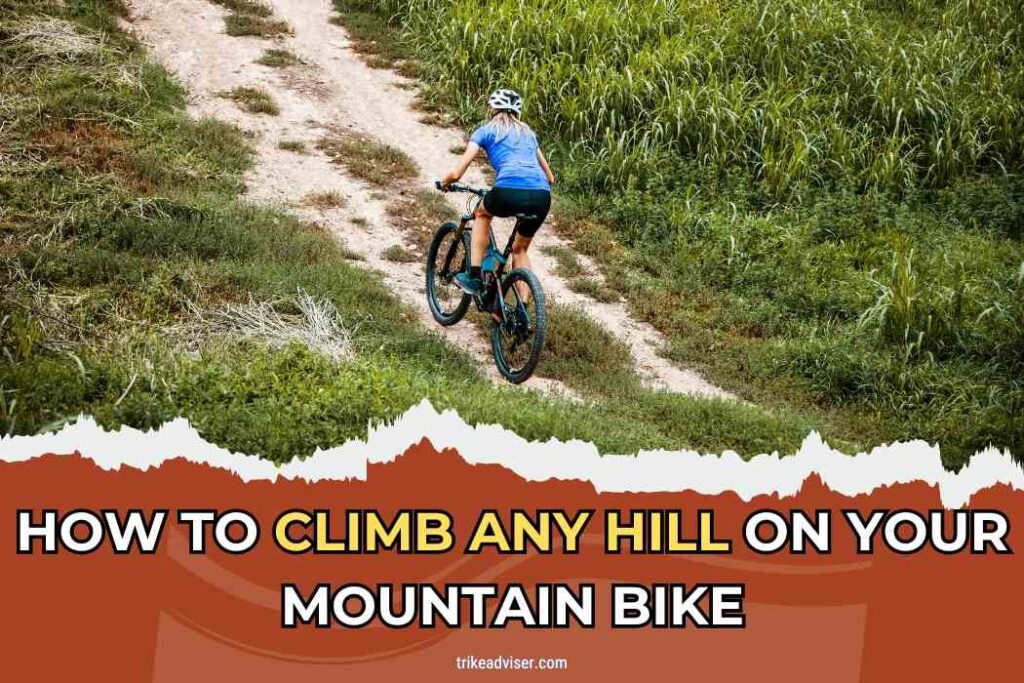

Facing a steep hill on your mountain bike? It feels like a daunting obstacle, right? Hills seem to demand superhero strength and endless stamina.
Truth is, conquering those climbs is not just about raw power. It’s about technique, strategy, and choosing the right gear. Wondering if you’re destined to walk your bike up every hill? You’re not alone.
Many riders face this challenge, but with the right approach, those hills become manageable. This isn’t just about pushing harder; it’s about pushing smarter.
Whether it’s a gentle incline or a brutal ascent, understanding how to tackle each hill efficiently can transform your ride.
Ready to turn those dreaded climbs into triumphs? Let’s break down the skills you need to conquer any mountain, no matter how steep.
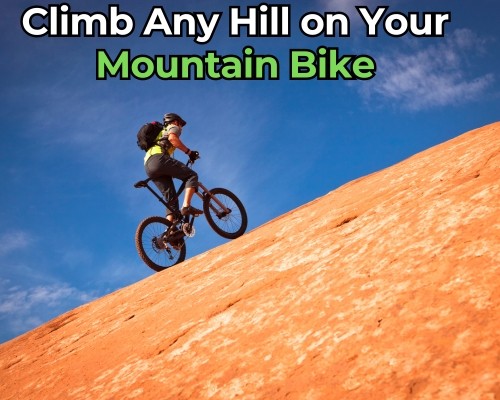
How To Climb Any Hill on Your Mountain Bike
Understand Your Bike and Gearing
- Choose the Right Bike: It’s not fair for any bicycle that will do when confronting a slope. Hardtails are regularly the go-to for genuine climbers due to their lighter weight and more coordinated control exchange than full-suspension bicycles.
Make beyond any doubt your horse is custom-made for the rising ahead. Professional tip: A bicycle fit session can improve your climbing proficiency and consolation.
- Gearing Matters: Gearing up properly before a climb isn’t just advice; it’s crucial. A common setup is the 1×12, offering a wide range of gears to tackle various gradients effortlessly.
For those frequenting hilly terrains, opting for a smaller chainring can mean the difference between a smooth climb and a push-walk scenario.
Remember, it’s not only about having the range but also about finding that sweet spot in gear selection that keeps your legs turning without burning out too quickly.
Optimize Your Riding Position
- Seated vs. Standing: Most of the climb should be tackled seated to maximize traction and efficiency. When the gradient bites, stand up for extra power, but only briefly.
Too long-standing, and you might find your energy-sapping faster than water in the desert. Expert climbers suggest a slight forward lean when seated; this subtle shift can keep your front wheel grounded without sacrificing rear wheel traction.
- Weight Distribution: Perfecting your weight distribution is like fine-tuning an instrument. On steep climbs, your body should inch forward subtly, pressing down on the pedals while ensuring the front wheel doesn’t wander off. The art is in the balance—too much forward, and you might lose rear traction.
Improve Your Climbing Technique
- Cadence Control: The ideal cadence is often debated, but the sweet spot for most is between 80-100 RPM. This range helps maintain momentum without overtaxing your muscles.
If the hill’s gradient increases sharply, downshift without hesitation to keep your legs moving fluidly.
- Use Your Arms: Climbing isn’t just a leg job. Your arms and shoulders can provide additional leverage by rocking the bike gently side to side in rhythm with your pedal strokes. This motion helps drive the pedals when each new stroke feels like lifting weights.
- Smooth Pedal Stroke: A choppy pedal stroke is a climber’s enemy. Aim for a butter-smooth rotation to maintain constant power output. Think of it as painting a circle with your feet—every quadrant should feel equally powered.
Develop Physical Fitness
- Strength Training: Strong legs are climbers’ pride. Incorporate targeted strength training exercises, like Bulgarian split squats and single-leg deadlifts, which mimic the unilateral action of cycling and build formidable climbing muscles.
- Hill Repeats: Find a local hill and make it your training ground. Repeating ascents build not just leg strength but also mental tenacity.
Each repeat teaches you more about your pacing and effort distribution—a critical skill for long climbs.
- Interval Training: Interims are the mystery sauce within the preparing regimen of tip top cyclists. These high-intensity bursts, taken after by recuperation stages, reenact the erratic nature of mountain biking where territories alter and sudden bursts of exertion are required.
Mental Strategies
- Break It Down: Every long climb can be dissected into smaller, more digestible parts. Tackle each segment with a mini-goal approach, focusing only on the current challenge and not the entire mountain. This strategy reduces mental fatigue and keeps motivation high.
- Stay Positive: Climbing is as much mental as it is physical. Maintain a positive mindset by celebrating small victories along the way. Remember, every pedal stroke gets you closer to the summit.
Practice Regularly
- Climb More Often: Consistency breeds climbing prowess. Integrate hills into your regular routes to acclimatize your body and mind to the demands of climbing.
- Set Goals: Tracking progress is motivating. Set clear and achievable climbing goals. Perhaps start with improving your time on a familiar climb, then progress to tackling higher and steeper ascents. Each conquered hill boosts confidence and competence.
Choosing the Right Bike for Any Hill Climb
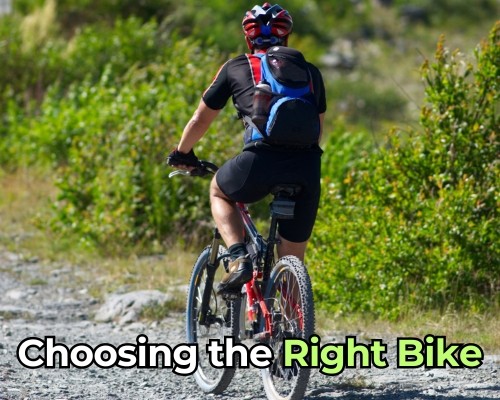
Climbing slopes on a mountain bicycle isn’t around having solid legs and a great lung capacity. The hardware you select plays a pivotal role in how successfully you’ll tackle those risings.
Let’s plunge into the fundamentals for selecting the leading mountain bicycle and equipping for your slope climbing undertakings.
Selecting the Best Mountain Bike for Climbing: Hardtails vs. Full Suspension
Advantages of Hardtails:
- Lightweight and Efficient: Hardtails are by and large lighter than full-suspension bicycles, which makes them speedier and spryer on climbs.
The non-appearance of raise suspension implies there’s negligible vitality misfortune to pedal sway, deciphering your pedal control straightforwardly to forward movement.
- Responsiveness: With a rigid rear, hardtails offer snappy responsiveness. This can be a significant advantage on smoother, predictable climbs where precision and speed are paramount.
Real-World Insight: Imagine heading up a steep incline, your hardtail responding instantly to every pedal stroke, no energy wasted. That’s the kind of efficiency that makes hardtails a favorite among competitive climbers.
When to Consider Full Suspension:
- Technical Terrains: On rocky, uneven trails, a full-suspension bike can be a game changer. The additional suspension helps maintain traction and provides greater control, crucial for navigating tricky climbs.
- Advancements in Technology: Modern full-suspension bikes have become more climb-friendly. Features like suspension lockouts and finely tuned suspension kinematics mean these bikes can now offer an efficient climbing experience without sacrificing comfort or control.
Choosing Between the Two:
- Consider Your Terrain: The choice largely depends on the terrain you expect to encounter. Smooth, steady climbs? A hardtail might be your best bet. Facing rugged, technical ascents? Full suspension could be the way to go.
- Personal Preference and Comfort: Ultimately, the right bike also depends on what feels right for you. Consider renting different models to test ride on your usual trails.
Understanding Gearing for Hill Climbs: Optimal Setups for Varied Terrains
Gearing Strategies:
- Short, Steep Climbs: For these challenging bursts, you’ll want to be in a gear that balances power and momentum.
Too high, and you might stall; too low, and you could spin out. It’s crucial to shift to your chosen gear before the climb to avoid straining the drivetrain under load.
- Long, Gradual Climbs: Here, it’s all about endurance. Choose a gear that allows for a comfortable cadence, ideally around 80-100 RPM. This helps conserve energy and keeps you pedaling efficiently for longer periods.
Expert Advice: Seasoned climbers often tweak their bikes with custom gears tailored to their specific climbing needs.
For instance, swapping out a standard chainring for a smaller one can make a noticeable difference in your climbing efficiency, especially on brutal, leg-burning hills.
Gear Technologies:
- Wide-Range Drivetrains: Bicycles prepared with 1×12 drivetrains offer a wide run of gears making it simpler to discover the correct one for any climb.
The smaller chainrings in these setups are especially advantageous for soak slants, giving lower gears to ease your exertion.
- Mechanical Considerations: Guarantee your bike’s equipment is suited to your riding fashion and the normal angles you confront.
Customizing equipment proportions may be essential based on particular challenges in your nearby landscape.
Mastering the Climb – Technique and Position
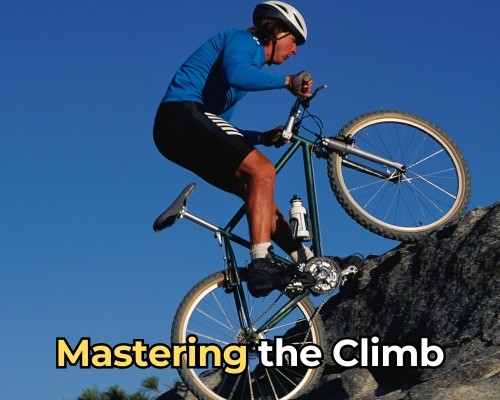
Climbing on a mountain bicycle isn’t close to physical quality; it’s approximately strategy and understanding the subtleties of your body and bike’s situating.
Let’s dig into the points of interest that make the distinction between a tiring climb and a reasonable one.
The Art of the Climb: Seated vs. Standing Techniques
Seated Climbing:
- Efficiency First: Seated climbing conserves energy by maintaining a steady cadence and power output.
This position keeps your weight centered, enhancing rear wheel traction—crucial for long, grinding ascents.
- Sustain Traction: With your weight centered over the bike, you not only optimize energy use but also maintain essential traction on loose or slippery surfaces.
Standing Climbing:
- Power Bursts: Standing is effective for short, steep bursts where extra power is needed to clear obstacles or tackle harsh gradients.
- Muscle Relief: It provides a necessary break for your seated muscle groups, engaging your core and arms, though it can lead to quicker fatigue if overused.
Balancing Act: Most professional riders balance between seated and standing positions. They stand to navigate technical features and provide short power boosts but remain seated to conserve energy and maintain a long-term efficient pace.
Optimal Riding Position for Maximum Efficiency
- Relax and Align: Maintain a relaxed posture with shoulders down, elbows slightly bent, and wrists in a neutral position.
This alignment lets your body move fluidly with the bike, adapting to terrain changes without stiffness.
- Strategic Seating: Sit tall with your weight centered directly over the pedals for efficient force transfer.
On steeper inclines, a slight forward shift in your seating can prevent the front wheel from popping up.
- Vision and Posture: Keep your gaze forward and slightly up, aligning your spine and improving control.
Hinging at the hips slightly opens your chest, enhancing breath capacity which is crucial during exertion.
Weight Distribution Secrets for Steep Inclines
- Centered Stance: In a seated position, center your weight over the pedals. This stance maximizes traction on the rear wheel, essential for maintaining momentum on steep climbs.
- Dynamic Adjustments: As the slope increases, subtly shift your weight forward. This small adjustment keeps the front wheel grounded and responsive.
- Standing Dynamics: When standing, balance your weight slightly back to counter the incline’s pull. This prevents the front wheel from lifting, which can compromise control.
- Arm Techniques: Utilize your arms not just for steering but also for stabilizing. A gentle push and pull on the handlebars aid in keeping the bike stable on uneven terrain. Remember, elbows should be slightly bent to absorb shocks better.
How Does the Weight of a Bike Impact Its Performance on Hill Climbs?
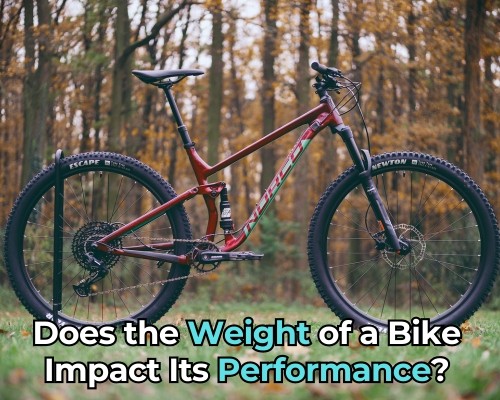
The relationship between the weight of a mountain bicycle and its climbing execution is urgent, especially when confronting soak slants. Understanding this association can essentially improve your climbing productivity.
Power-to-Weight Ratio
Understanding the Concept:
- Definition: The power-to-weight ratio measures the power a cyclist generates relative to their total weight, including their bike. It’s a critical metric in cycling, especially for climbing.
- Higher Ratio, Better Performance: Essentially, a lighter cyclist or a lighter bike needs less energy to fight against gravity. This efficiency is crucial on uphill stretches where every ounce can feel like a pound.
Impact of Weight on Climbing:
- Quantifying the Advantage: Studies have shown that reducing the total weight by 10% can improve climbing speed by about 8-9% on typical gradients. This effect is even more pronounced on steeper slopes.
- Real-Life Implication: Imagine two cyclists, equally skilled and powerful, but one has a bike that’s 1.2 kg lighter.
Over a 70-minute climb, the lighter bike can save nearly a minute of effort—a decisive margin in competitive scenarios.
Climbing Efficiency
Energy and Weight:
- Direct Relationship: The more a bike and rider weigh, the more energy it takes to propel them uphill.
Even a small difference in weight, like 5 kg, can increase the exertion required, leading to quicker fatigue over prolonged climbs.
- Practical Impact: On longer, steeper ascents, a lighter setup can be the difference between pushing through the last few meters or having to stop and catch your breath.
Handling and Control:
- Bike Responsiveness: Lighter bikes are not just about the climb; they also offer better handling and responsiveness.
This can be crucial on technical climbs where maneuverability plays a significant role in maintaining momentum and control.
- Rotational Mass Effects: The concept of rotational mass, particularly in wheels, is vital. Lighter wheels reduce the energy needed for each pedal stroke, making it easier to maintain a consistent climbing rhythm.
Real-World Examples and Tips
Practical Tips:
- Invest in Lighter Components: Consider overhauling to lighter outlines, wheels, and components. Carbon fiber materials, even though pricier, can shave off critical weight.
- Wheel Weight Reduction: Since wheels contribute to rotational mass, investing in lighter wheels can have a noticeable effect on climbing efficiency.
- Balancing Weight and Durability: It’s critical to strike an adjustment between lessening weight and keeping up the bike’s solidness and usefulness, particularly for off-road climbing.
Illustrative Scenario: Think of climbing with a heavy bike as trying to sprint with a backpack. Every extra item in that pack makes your strides slower and more laborious.
Now, imagine removing some of that weight; suddenly, the climb feels less daunting, more like a steady hike than a grueling ascent.
As an Amazon Associate, I earn from qualifying purchases, at no additional cost to you. Read Our Affiliate Disclosure.