


Ever wondered why a few cyclists rave approximately cutting through trails with their minds and a bicycle? It’s called XC, or cross-country mountain biking, and it’s not around pedaling difficult.
It’s approximately the excitement, the exactness, and yes, in some cases the torment. This isn’t your lackadaisical stop-ride. Envision soak climbs, fast plummets, and deterrents that request your all.
Think you’re fit? XC will test that. Arranging to compete or fair looking to overcome individual trials? Either way, you’re in for a wild ride.
Those drawn to this wear frequently look for both the challenge and the association with nature, but be warned—it’s addictive.
What is XC Mountain Biking?

XC mountain biking stands for cross-country mountain biking, a teaching that combines speed, aptitude, and perseverance in an exciting ride through changed territories.
Unlike relaxation rides, XC challenges cyclists to explore by requesting ways that test their limits. Below, we delve into what sets XC mountain bikes apart and why they are the choice for riders seeking both speed and adventure.
Design and Build: Light and Efficient
At the heart of XC mountain biking is the bike’s design. These bikes are engineered to be light yet robust enough to handle long, demanding trails.
Typically, frames can weigh as little as 790 grams, similar to road bikes but designed for rugged terrain. Materials range from aluminum and steel to more exotic ones like carbon and titanium, with carbon being the preferred choice for race bikes due to its strength-to-weight ratio.
Geometry: Built for Speed and Agility
The geometry of an XC mountain bike is less aggressive compared to trail or enduro bikes. It’s optimized for efficiency and agility, essential for racing and maneuvering through challenging courses.
Features like a shorter head angle and a steeper seat angle enhance responsive handling. Additionally, the traditional frame silhouette aids in reducing weight, crucial for acceleration and ease of transport during races.
Suspension and Gearing: Precision and Power
Cross-country bikes may feature up to 100 millimeters of suspension travel to absorb bumps without compromising the frame’s rigidity.
The suspension system usually employs a lightweight air shock, optimized for quick recovery and minimal energy wastage.
Gearing on these bikes is often simplified to a single chainring setup, offering up to 12-speed rear cassettes to handle diverse terrains, from steep ascents to rapid descents.
Wheels and Tires: Maximizing Performance
A standout feature in XC mountain biking is the wheel size. The 29-inch wheels have become the standard, known for their speed and momentum, crucial for maintaining velocity without excessive pedaling.
These wheels, coupled with lightweight, carbon-made frames, ensure optimal performance. Tires are equally specialized, often featuring multiple compounds to provide traction on corners while maintaining speed on straight runs.
Unique Features: Tailored for Racing
XC mountain bikes often incorporate features like remote lockout systems for suspensions, allowing riders to switch between suspension modes on the fly—critical for adapting quickly to changing terrains.
Furthermore, innovations like integrated dropper posts and electronic monitoring systems for performance metrics reflect the high-tech nature of modern XC racing.
Understanding XC Mountain Bikes
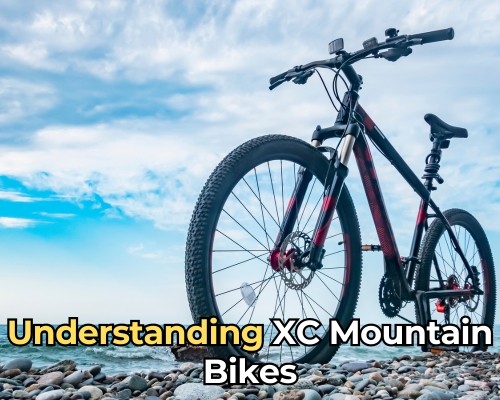
XC mountain bicycles are built for exactness and speed, however, they carry a charm that resounds profoundly with those who cherish racing against nature’s scenery. Let’s dive more profound into what makes these bicycles so uncommon.
Key Features of XC Mountain Bikes
- Geometry: Think of the XC bike’s geometry as the mystery sauce in your favorite dinner. It’s outlined to be agile and responsive, permitting speedy turns and dexterous handling—essential when exploring tight trails.
The rider’s position is forceful; you’re inclined forward, nearly getting to be one with the bicycle, optimizing control and control. This setup isn’t around consolation; it’s almost making each pedal tally.
- Terrain Adaptability: XC bikes thrive on hard-packed trails adorned with challenges like rock gardens and roots.
They can manage jumps and drops but shine on courses that mix speed with technical skill. Imagine tackling a course that tests every muscle in your body—that’s what these bikes are built for.
- Suspension and Efficiency: With suspension travel regularly between 100-120mm at the front and 100-110mm at the raise, these bicycles strike an adjustment between retaining bumps and keeping up pedal effectiveness.
Hardtails, favored in certain hustling circles for their delicacy, offer an unfiltered association to the path, requesting more from the rider but fulfilling with crude speed.
How XC Bikes Differ from Other Mountain Bikes
- Comparison with Trail Bikes: Trail bikes are the Swiss Army knives of mountain biking, but XC bikes are scalpel-sharp and precise.
While trail bikes boast a relaxed geometry for a mix of terrain, XC bikes’ steeper angles and shorter wheelbases make them more reactive and livelier under intense riding conditions.
- Contrast with Downhill Bikes: Downhill bikes are the tanks of the mountain bike world—built for punishing descents.
XC bikes, in contrast, are built for efficiency and speed on climbs and mixed terrains. They are lighter, quicker, and require a different set of skills focusing more on endurance than sheer descent speed.
- Hardtail vs. Full-Suspension: The choice here often comes down to the race terrain and personal preference.
Hardtails push you to refine your riding technique, while full suspensions forgive rougher ground. It’s like choosing between a manual and an automatic car; both have their joys and challenges.
Materials and Technology in XC Bike Construction
- Carbon Fiber and Aluminum: Carbon fiber frames are not just about weight—they allow manufacturers to tweak and tune ride characteristics to near perfection.
Aluminum, while heavier, provides a cost-effective alternative without a significant sacrifice in performance.
Each material offers different vibes on the trail, influencing how you tackle those climbs and descents.
- Suspension Innovations: Modern XC suspensions are marvels of engineering, designed to be lightweight yet effective over long distances.
Features like lockout mechanisms are not just conveniences; they’re essential tools that let riders adapt their bikes to changing terrains at a moment’s notice.
- Wheelsets and Tires: The 29-inch wheels are standard not just for their size but for their ability to maintain momentum and overcome obstacles more smoothly. This means less energy is spent on acceleration.
When it comes to tires, the choice is less about width and more about pattern and compound—details that can affect everything from grip to rolling resistance.
XC Mountain Biking Culture

XC mountain biking transcends mere sport, embedding itself deeply into the lives of those who hit the trails.
It’s a world rich with diversity, challenge, and camaraderie. Let’s peel back the layers of this vibrant community.
The Community and Culture of XC Mountain Biking
- Shared Passion for the Sport: Imagine a scene where adrenaline meets precision mechanics. That’s the essence of the XC biking community.
Here, bonds are forged over shared challenges and a collective love for speed and technical mastery.
Riders often double as mechanics, tweaking their bikes to perfection, turning maintenance into a ritual as cherished as the ride.
- Diversity and Inclusivity: XC welcomes all—no exceptions. This sport prides itself on its inclusive ethos, where veterans guide rookies, and everyone gets a cheer.
Community events go beyond riding—they are social, educational, and often involve a shared commitment to maintaining the trails that bring them together.
- Appreciation for the Environment: Riders don’t just pass through landscapes; they commit to preserving them.
Many are trail advocates, dedicated to conserving their playgrounds. This stewardship is about ensuring that the thrill of the ride is available for generations to come.
Famous XC Races and Iconic Trails Around the World
- Top XC Races: Think of the Cape Epic and the BC Bicycle Race as the Visit de France of the mountain biking world.
These are not fair races; they are fights of continuance, expertise, and sheer will, set against a few of the most breathtaking backdrops possible.
- Iconic XC Trails: Trails like the Lupra Pass in Nepal aren’t just paths; they are legends carved into the earth, challenging every rider who dares to take them on.
These are the places where weekend warriors and world champions alike go to test their mettle.
- Renowned XC Destinations: Places like Fruita, Peaked Butte, and Jackson Gap are more than goals; they are journey locales for XC devotees.
Each area offers trails that cater to different abilities and styles, encompassed by communities that breathe mountain biking.
How to Get Involved in Local XC Biking Events
- Local Races and Rides: Getting involved is as simple as showing up. Local clubs are always looking for new members to share the trails with.
These groups host regular rides that cater to various skill levels and are the gateway to the local XC scene.
- Volunteering: Lend a hand on maintenance days or at events. It’s a way to give back, learn the ropes, and meet the community. Plus, there’s no better way to understand a trail than by helping to build and maintain it.
- Online Resources: Dive into online forums like Pinkbike or join local Facebook groups. These platforms are hubs of information where you can find event dates, gear advice, and maybe a few new riding buddies.
Riding Techniques and Strategies for XC Mountain Biker

XC mountain biking requests not as it were physical continuance but moreover specialized abilities and vital arranging.
Whether you are a fledgling looking to make strides in your fundamental abilities or a competitive racer pointing for effectiveness and speed, acing these strategies is pivotal.
Basic XC Mountain Biking Techniques for Beginners
- Braking and Balance: Learning to brake smoothly helps maintain control during descents and technical sections.
Practice different braking pressures and distances to understand your bike’s response. Alongside braking, balancing is vital.
Stand on your pedals and shift your weight as needed to enhance stability, especially on uneven terrains.
- Climbing and Descending: Efficient climbing involves maintaining a consistent cadence and choosing the right line to conserve energy and avoid obstacles.
When descending, shift your weight back to improve control and select lines that maximize safety and speed.
Both techniques require practice and fitness—incorporate regular training to build endurance and muscle memory.
- Trail Interaction and Safety: Mastering trail reading is key. Recognize and respond to different features like rocks and roots, adjusting your speed and handling accordingly.
Always wear a helmet and eye protection to safeguard against injuries. Regular practice of these fundamentals will build confidence and proficiency over time.
Advanced Riding Techniques for Competitive Racers
- Starting and Pacing: Master a powerful start by lowering your seat for better hip drive and quicker acceleration, or keep it higher for optimal pedal efficiency if you lack a dropper post.
Understand your pacing; avoid burning out early by managing your effort and maintaining a sustainable speed throughout the race.
- Descending and Attack Points: In high-speed descents, adopt a relaxed body position, look ahead, and choose efficient lines to maintain control and speed.
For a competitive edge, identify strategic points on the course to overtake competitors, conserving energy until these key moments to maximize your attack’s impact.
- Equipment and Fueling: Optimize your bike with lightweight components to enhance performance without compromising durability.
Effective fueling and hydration strategies are critical—experiment with different nutrition plans during training to find what best supports your energy levels during races.
Strategy and Endurance: Preparing for Long-Distance XC Races
- Aerobic and Power Training: Build a strong aerobic base with steady-state and interval training, focusing on heart rate and power zones to maximize efficiency.
Develop your critical power through high-intensity workouts, enhancing both anaerobic capacity and endurance.
- Efficiency and Mental Preparation: Minimize energy losses with efficient pedaling and optimal body positioning.
Work on your mental strength by practicing visualization, goal-setting, and positive self-talk to maintain focus and resilience during long races.
- Consistency in Training: There’s no alternate route to victory in XC dashing. Steady, considered hone, and adherence to a well-structured preparation arrangement are fundamental.
Tolerance and commitment will abdicate advancements and get ready for the requests of competitive hustling.
As an Amazon Associate, I earn from qualifying purchases, at no additional cost to you. Read Our Affiliate Disclosure.